The Core Strategy
Cut complexity, not quality. Every cost-saving move that works targets design decisions, not structural elements.
The moves that save serious money on a tight-budget build are all in the design and finish selection phase — before a shovel goes in the ground. A simpler footprint, simpler roofline, and smart finish selections can save $50,000–$100,000 without compromising the quality of what matters most.
Budget-Saving Moves That Actually Work — By Category
Every jog, bump-out, or offset in the foundation and exterior walls adds cost. A rectangle or L-shape is cheapest to build.
Complex rooflines with multiple valleys, dormers, and pitches add framing labor and material cost. One simple roofline is significantly cheaper.
Two-story homes cost less per sq ft than one-story (less foundation and roof per sq ft). But single-story has lower site work cost and no stair cost. Run the numbers for your specific plan.
Cutting 150–200 sq ft from a 1,500 sq ft plan saves money on foundation, framing, roofing, drywall, flooring, and mechanical systems throughout the entire build.
Stock cabinets with quality pulls and knobs look significantly better than they cost. The hardware is what people touch — invest there.
Luxury vinyl plank at $3–$5/sq ft vs hardwood at $8–$15/sq ft. Modern LVP is durable, waterproof, and looks excellent.
Quality laminate is $15–$25/sq ft installed. Quartz is $50–$90/sq ft. Countertops are one of the easier upgrades to do later.
Elaborate crown molding, coffered ceilings, and decorative millwork add significant labor cost. Clean, simple trim looks good and costs much less.
Site work on challenging lots is the most unpredictable and expensive cost in residential construction. A flat, clear lot with good access eliminates this risk.
Building in a lower-cost state or county vs a high-cost market can save $30–$80 per sq ft. Mississippi vs California is the same house for dramatically less money.
A lot with existing utility connections (water, sewer, electric, gas) eliminates connection fees and installation costs that can run $5,000–$40,000.
The difference between the high bid and the winning bid on a competitive project routinely runs 10–20%. With 3–5 bids, you capture that savings.
Contractors are more competitive for work in late fall and winter. Starting a build in October-November can get you better pricing than starting in spring.
Purchasing fixtures, hardware, and appliances yourself removes the contractor markup (typically 15–25%) on those items. Coordinate timing carefully.
Finish the deck, landscaping, basement, or bonus room as a phase 2 project after you have moved in and your budget has recovered.
What NOT to Cut — Even on a Tight Budget
These items have long-term consequences that cost far more to fix later than they save now.
Foundation problems are the most expensive fix in any home. Never cut corners on concrete depth, rebar, or waterproofing.
A cheap roof leaks. A leak causes mold, structural damage, and insurance claims. Spend what it takes to get a quality roof installation.
This is the single best ROI upgrade in new construction. Proper insulation and air sealing reduce energy bills for decades.
Undersizing your electrical panel to save $500 now will cost $3,000–$8,000 to upgrade later when you add an EV charger or solar.
Cheap windows leak air and condensate. Good windows with low-E glass are an energy and comfort investment that pays back over the life of the home.
Running plumbing rough-in for a future bathroom during construction costs $1,500–$3,000. Adding it later requires opening walls and floors — $8,000–$20,000.
15% contingency is non-negotiable. Cutting contingency to stay on budget is how builds run out of money mid-project.
Frequently Asked Questions
What is the cheapest type of house to build in 2027?
The cheapest house to build in 2027 is a simple rectangular single-story home with a basic gable roof, standard finishes, and a flat cleared lot. LVP flooring, stock cabinets, laminate countertops, and a simple trim package keep costs down without sacrificing function. A 1,200 sq ft home built this way costs $130,000–$190,000 in most US markets.
How can I reduce construction costs without sacrificing quality?
Focus cost cuts on design complexity (simpler footprint, simpler roofline), finish selections (LVP vs hardwood, stock vs custom cabinets), and build strategy (competitive bidding, off-season start). Never cut foundation, roof, insulation, electrical capacity, or contingency — these have long-term consequences.
Is it cheaper to build or buy a house in 2027?
In most markets, buying an existing home is still less expensive upfront than building new. Building gives you control over design, layout, energy efficiency, and finishes. In tight inventory markets or when you have specific needs (accessibility, lot requirements, multigenerational layout), building may be the only practical option.
How much does it cost to build a basic house in 2027?
A basic 1,200–1,500 sq ft home at builder-grade finish costs $130,000–$220,000 in most US markets in 2027 (construction cost only). Add land, site work, permits, utility connections, and contingency for total project cost — typically 35–55% more than the construction figure.
What design decisions save the most money when building a house?
The highest-impact design decisions for cost savings: simple rectangular footprint (saves $8K–$25K vs complex shape), simple gable roofline (saves $10K–$30K), reduced square footage (saves $15K–$40K for 150–200 sq ft reduction), and a flat cleared lot vs challenging terrain (saves $15K–$80K).
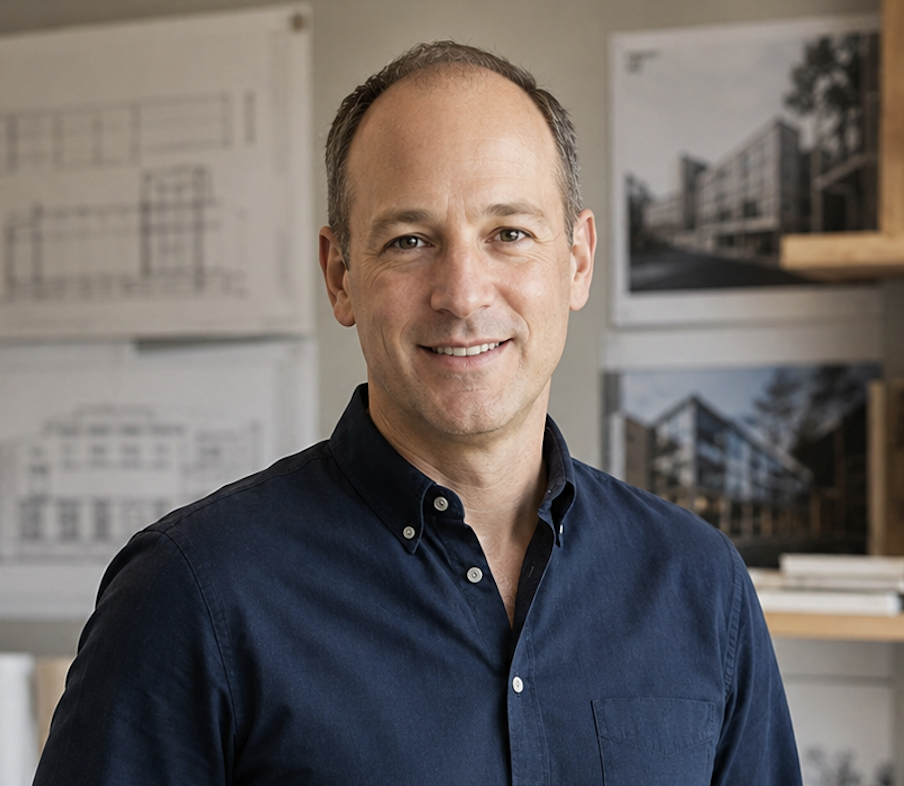
Kerem is a construction cost analyst and architectural graduate with a degree from the Illinois Institute of Technology. He has spent over a decade analyzing residential and commercial build costs across all 50 U.S. states, and leads the cost methodology team at Equin Global LLC — the company behind CostToBuildHouse.com.
Know your numbers before you build
Full Build Budget Kit — All 4 Reports for $49.99
Cost Report, Permit Report, Bid Report, and ADU Report — everything you need to build on a tight budget without leaving money on the table.
Get the Full Kit →